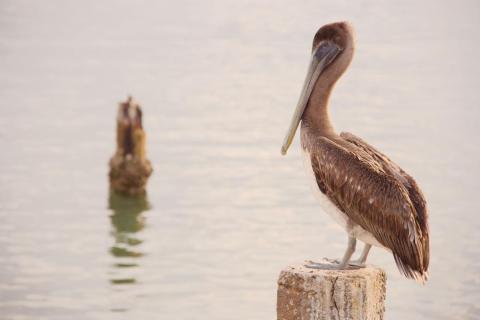
You do not have to plan a full eco-tour to notice wildlife around Indian Shores.
Sometimes it starts with a pelican gliding low over the Gulf. Sometimes it is a dolphin rolling just beyond the swim zone. Sometimes it is an osprey carrying a fish over the Intracoastal, or a little line of shorebirds working the wet sand after the tide changes.
The best wildlife watching here is usually quiet, patient, and simple. Bring binoculars if you have them. Walk slowly. Keep your distance. Let the coast reveal itself.
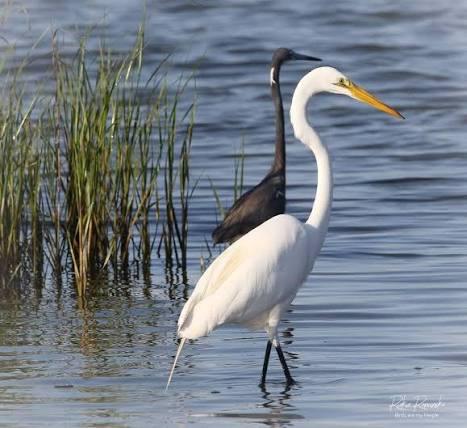
The shoreline is the easiest place to begin.
Along Indian Shores, watch for brown pelicans, gulls, terns, sandpipers, herons, egrets, cormorants, and ospreys. Some birds skim the water. Some work the edge of the surf. Some stand so still near the shallows that you may not notice them until they move.
Early morning is a good time to look. The beach is calmer, the light is gentler, and birds are often active before the day gets busy. Late afternoon can be good too, especially when the wind settles and the shoreline quiets down.
A small pair of binoculars changes the whole experience. You can watch behavior instead of just seeing shapes in the distance.
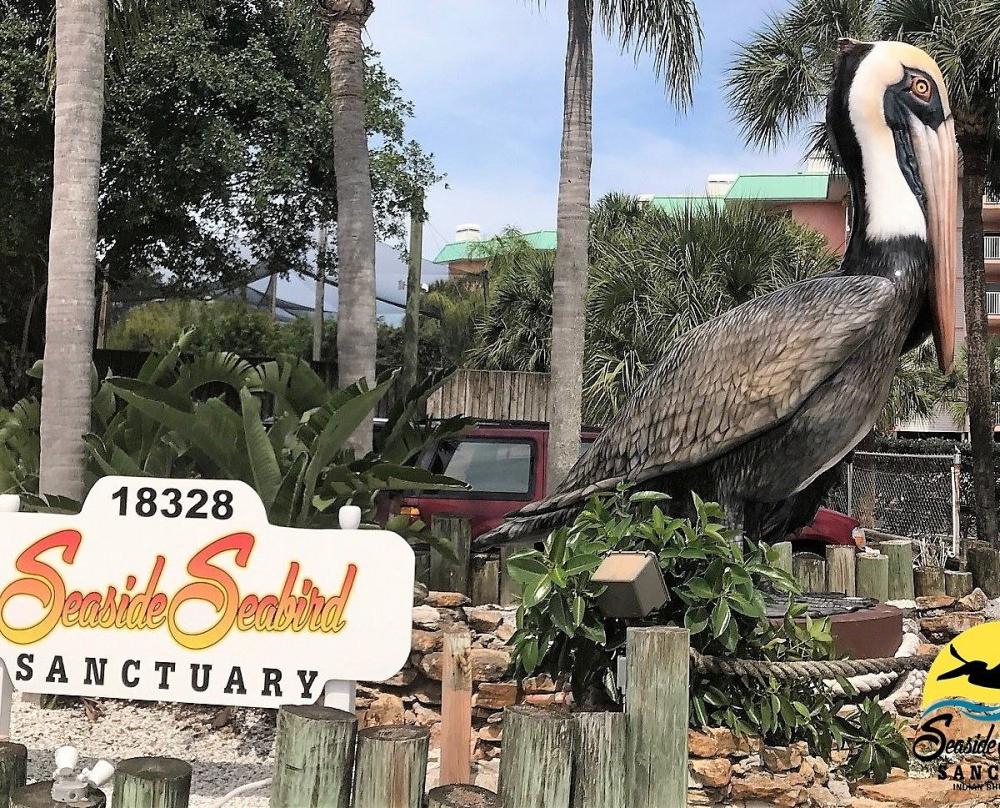
For a closer look at local bird life, Seaside Seabird Sanctuary is one of the most natural stops near Indian Shores.
It is located right on Gulf Boulevard and focuses on the rescue, rehabilitation, and care of injured seabirds and other native birds. Visitors can see resident birds, learn more about the species found along the Gulf Coast, and get a better sense of how beach life and bird life overlap.
This is a good stop for families, bird-curious travelers, and anyone who wants a low-key nature outing without driving far. It also gives context to what you see later on the beach. After you have spent time near pelicans, herons, owls, and other resident birds, the shoreline starts to feel more alive.
The Intracoastal side has a different kind of wildlife rhythm.
The water is calmer, the edges are greener, and the movement can be subtle. Look for ospreys, herons, egrets, pelicans, jumping fish, crabs near the edges, and the occasional dolphin moving through the channel.
This is where patience helps. Sit for ten minutes before deciding nothing is happening. The first few minutes can feel still, then suddenly a bird dives, a fish breaks the surface, or a dolphin fin appears and disappears.
For more on how the Gulf and Intracoastal shape the area, the guide to Gulf Days and Intracoastal Evenings in Indian Shores is a good companion read.
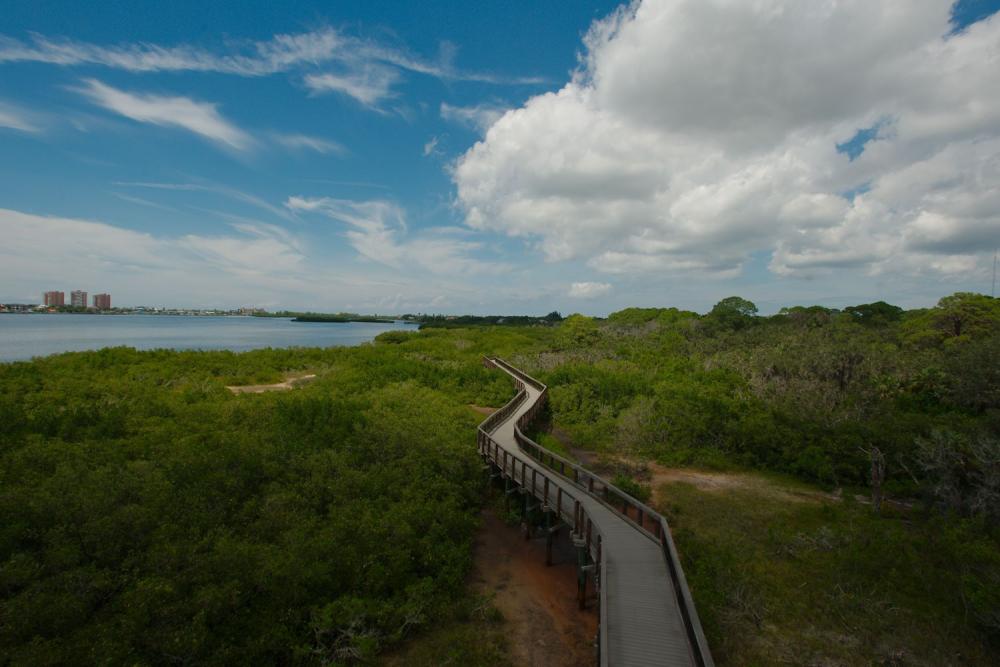
A short drive north brings you to Indian Rocks Beach Nature Preserve, a small but worthwhile stop with a boardwalk through mangroves.
This is a good place to slow down and look into the edges of the habitat. Mangroves create shelter for fish, birds, crabs, and other coastal life. You may see wading birds, turtles, mullet, or an osprey overhead.
It is not a big, high-effort hike. That is part of the appeal. It fits neatly into a morning or late afternoon, especially if you want a nature break that still keeps you close to the beach.
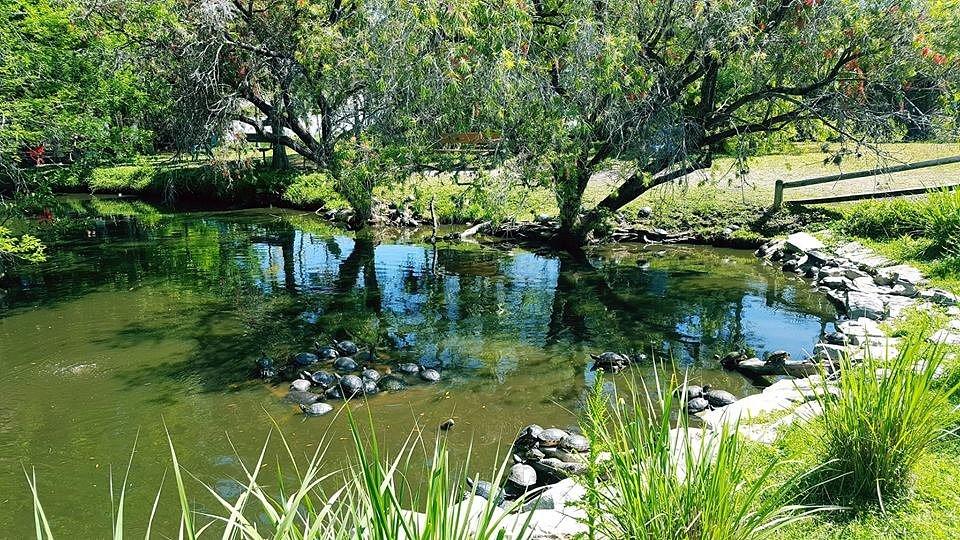
George C. McGough Nature Park in Largo gives the day a shady change of scene.
Many people know it for its turtle deck, where aquatic turtles gather near the pond. The park also has a nature center, butterfly garden, trails, and bird of prey enclosures. It is a good stop when the sun is strong and you want something cooler and more shaded than the beach.
This is especially useful for families because there is enough to see without needing a long visit. Walk the loop, spend time by the turtles, look for birds in the trees, then head back toward the coast.
If you want a little more room to roam, Boca Ciega Millennium Park in Seminole is a strong choice.
The park includes trails, coastal habitat, and an observation tower with views over Boca Ciega Bay. It is a good place to look for wading birds, raptors, butterflies, and bay activity from above.
The tower is the highlight for many visitors. It lets you see the shape of the water, mangroves, neighborhoods, and sky all at once. Bring water and sun protection, especially if you plan to walk more than a short loop.
Fort De Soto Park is farther away than the smaller stops near Indian Shores, but it is one of the region’s best-known places for coastal wildlife.
It works best when you want to give nature a larger part of the day. The park has beaches, trails, wetlands, bay views, and a long reputation for birding. Shorebirds, wading birds, raptors, and migratory species all draw attention here, especially during active birding seasons.
Bring the things that make a longer outdoor day comfortable: water, snacks, sunscreen, a hat, bug spray, and binoculars. Fort De Soto is worth the extra effort when wildlife is the main plan rather than a quick side stop.
Dolphin sightings happen around the Gulf and Intracoastal, but they are never something to schedule like a show.
The best approach is to stay observant. Scan beyond the swimmers. Watch near boat channels. Look for a smooth roll at the surface, a fin, or a small group moving together.
If you book a dolphin cruise, choose an operator that respects distance and wildlife rules. A good experience should feel calm and responsible. The same goes for watching from shore. Enjoy the moment, take a photo if you can, and give the animals space.
Wildlife watching comes with a few basic responsibilities.
Do not feed birds. It changes their behavior and can make them aggressive or sick. Give nesting areas plenty of room. If you see posted signs or roped-off sections, stay outside them.
During sea turtle nesting season, keep the beach flat and clear when you leave. Fill holes, take your gear with you, and reduce bright lights near the sand at night. These small habits matter more than most visitors realize.
The older, quieter beach habits still apply here too: pick up what you brought, leave shells with living creatures alone, and let the day stay gentle. The guide to Old-School Florida on the Central Gulf Beaches leans into that same slower coastal mindset.
Wildlife does not care about your schedule.
That is the fun of it. You may see dolphins at breakfast and nothing at sunset. You may spot three kinds of birds during a five-minute walk. You may visit a preserve and end up remembering the turtle deck more than anything else.
Build a loose plan. Beach in the morning. Seabird Sanctuary after breakfast. A shaded park in the afternoon. Intracoastal watching near evening. Or just keep binoculars nearby and notice what shows up.
For guests planning nature-friendly beach time in Indian Shores, Bay & Beach Club Resort offers a Gulf and Intracoastal setting, with stay-specific questions available at 727-595-3751 or through the contact page.
You do not need much gear for this kind of day.
Bring binoculars, water, sunscreen, a hat, sunglasses, comfortable sandals or walking shoes, and a phone with enough battery for photos and maps. A small notebook can be nice if kids want to track what they see.
For parks and preserves, add bug spray. For longer stops, bring snacks. For beach walks, keep it lighter.
The best wildlife watching around Indian Shores is not complicated. It just asks you to pay attention.